
No products in the cart.
The sewing machine maintenance is not something to be taken lightly unless you plan to purchase a new, more modern instrument.
In today's market, the sewing enthusiasts can spend hundreds or even thousands on a sewing machine but, without the right maintenance, it will be a wasted investment.
From a model of sewing machine basic to a fully computerized one, each new purchase is definitely an investment.
How, then, to maintain the own instrument of work in perfect efficiency?
There are many aspects that contribute to preserve the life of a sewing machine for a long time But there are definitely some ground rules to follow.
The first, certainly, is related to the accessories: Buying a high-end machine and then applying b-series accessories contributes to the failure of the investment made.
Generally speaking, the how to use the sewing machine can be determined: randomly pressing keys to understand how the machinery works inevitably leads it to rapid deterioration.
That said, here are the rules that will ensure long life to your sewing machine.
The sewing machine needles must be replaced regularly as they wear out in the long run even without sewing accidents.
If, on the other hand, the needle accidentally hits a button, zipper or pin while you are sewing, it should be replaced immediately.
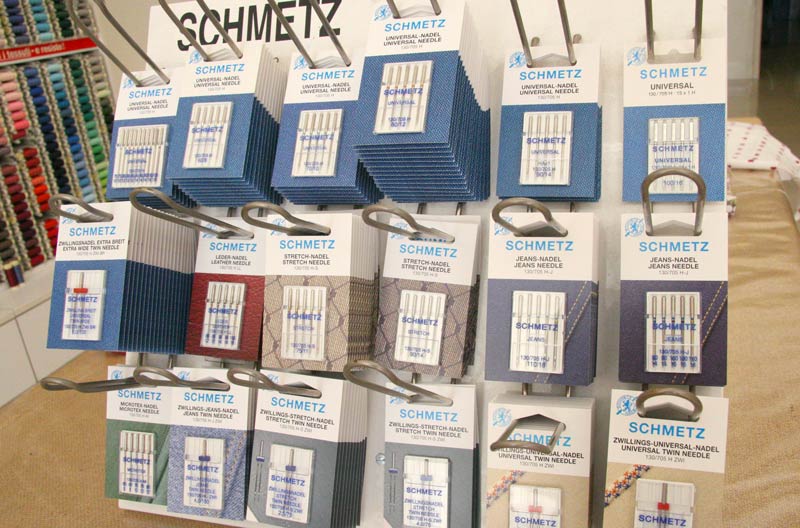
Blunt, blunt or bent needles not only fray delicate fabrics and yarns, but can also ruin, to the point of unserviceability, the needle plate or plate and the bobbin holder.
Knit or cotton fabrics also require different needles, as does the thickness and texture of the fabric.
Sewing machine needles are usually color-coded, so you can quickly identify the correct choice for each project.
Be sure to Buy quality sewing thread.
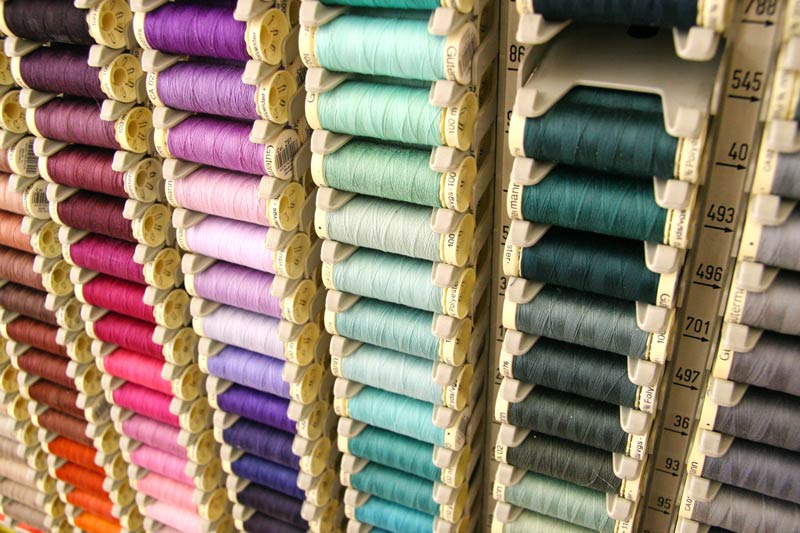
Cheap thread is never a bargain as it can ruin your machine from the inside with knots or frayed fibers.
Those bobbins in the clearance baskets at the supermarket or fabric store are usually not a good deal. Always go to suppliers in the industry who can provide high quality standards.
It might be a good idea make an adequate stockpile to one's needs for new spools. In fact, coils need to be replaced quite often to avoid tangled wires and unnecessary as well as harmful friction inside the coil holder.
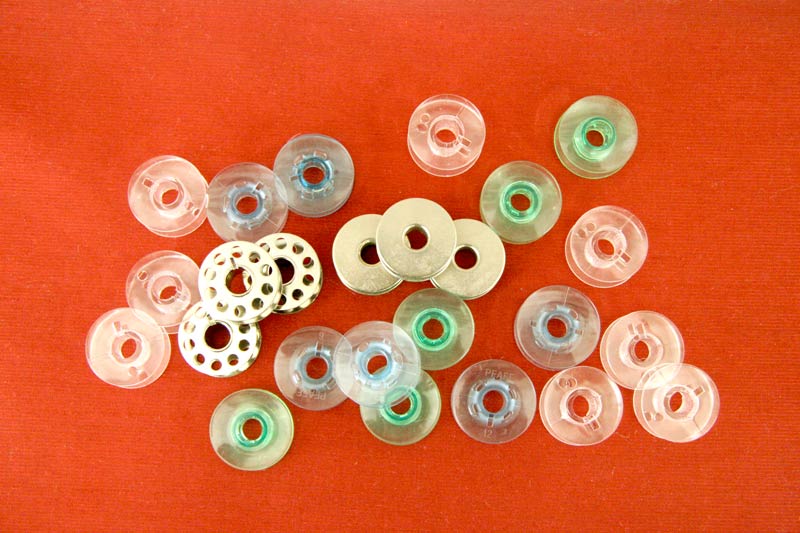
Our advice is to avoid wrapping (as practically everyone does) several colors of wire on top of each other: the smooth running of the machine is worth it.
Coils are cheap so change them often.
They can be metal or plastic depending on the model, and changing them is essential to avoid problems with the machine.
Some pincushions and sewing guides are magnetic. If your machine is computerized, magnetic devices might be a bad idea.
Also try to keep any other type of magnet from your embroidery software.
Before reconnecting the machine, it is advisable to. lubricate With a few drops of oil the brush holder.
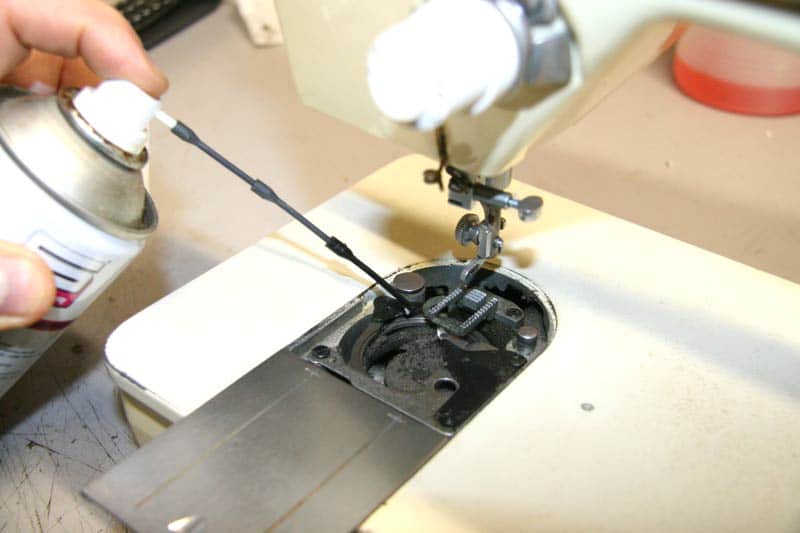
Do not use a non-specific oil, at best it will stain everything you sew, at worst it will block the mechanical parts. If you are not sure what parts to lubricate or what oil to use look in the manual. After lubrication, sew on a scrap fabric to avoid oil stains on quality fabrics.
Dust and lint are major contributors to sewing machine problems. Minimizing these dirt residues will streamline operation. So keep your machine covered when you are not using it-this will greatly reduce dust damage.
After every 8-10 hours of stitching, it is indispensable remove the wires from the machine and blow away the dust or fabric remnants that might get stuck in the thread passages.
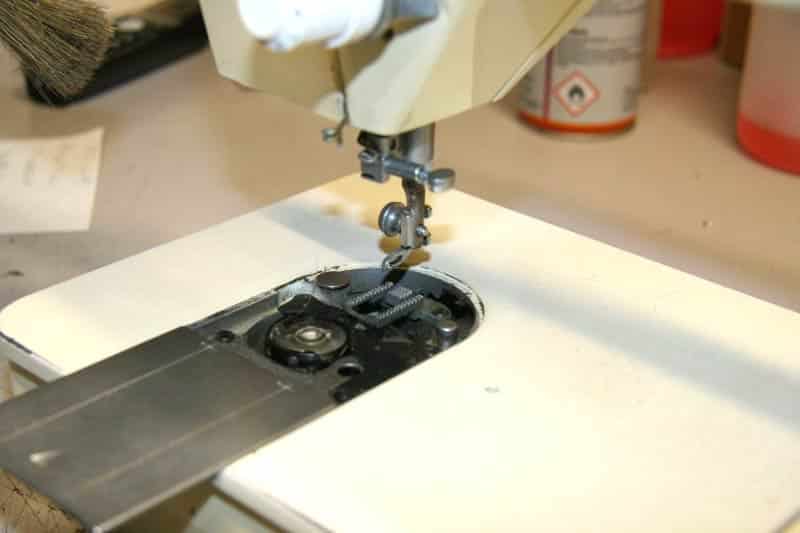
Most sewing machines come with a small brush.
Use this tool to clean especially carefully between the upper wire tension discs.
Alternatively, you can use a cotton swab as long as care is taken not to leave cotton residue in the machine.
When you vacuum your sewing room every week, you can use a conical vacuum to clean the bobbin well and thread seats. Using a screwdriver will help you remove the sewing plate so you can vacuum inside the machine. (Disconnect your sewing machine from the power before vacuuming!)
In general: try to keep the entire sewing surface safe from dust and dirt.
What has been said so far, applies to everyday life but, at least once a year, it is essential to take the sewing machine to a professional for more thorough maintenance.
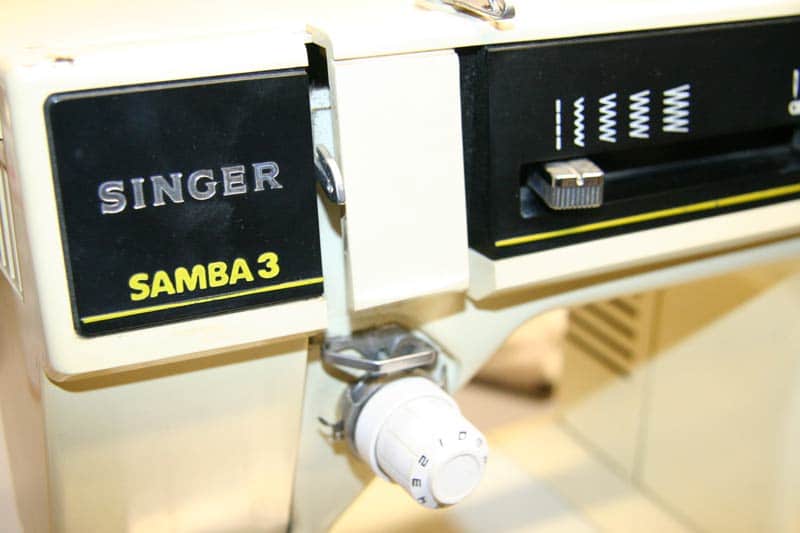
In fact, a technician knows how to adjust tensions, tighten screws, and replace worn parts.
You can search online for dealers who provide sewing machine repair services, or you can contact the dealer who sold you the machine.
A basic tune-up usually costs a few tens of euros so be wary of overpriced bills and estimates. A electronic sewing machine involves significantly higher maintenance rates than a conventional machine.
Your sewing machine can serve you faithfully for many years, even decades, if you take good care of it.
Whether it is a simple machine with basic stitches or a super-automatic multifunctional machine, if you keep it in good working condition it will assist you for a long time.
The maintenance of a sewing machine Singer o Necchi, in essence, works the same way: so don't forget to observe the simple rules overexposed.


