
No products in the cart.
You have purchased one overlocker, perhaps driven by the impulse to take advantage of a special offer, and now you would like to learn more about it. You are considering purchasing one of the proposals on our website, but would like to learn more about this tool. Here is a guide to the key terms used for this new machine that will complement your traditional sewing machine.
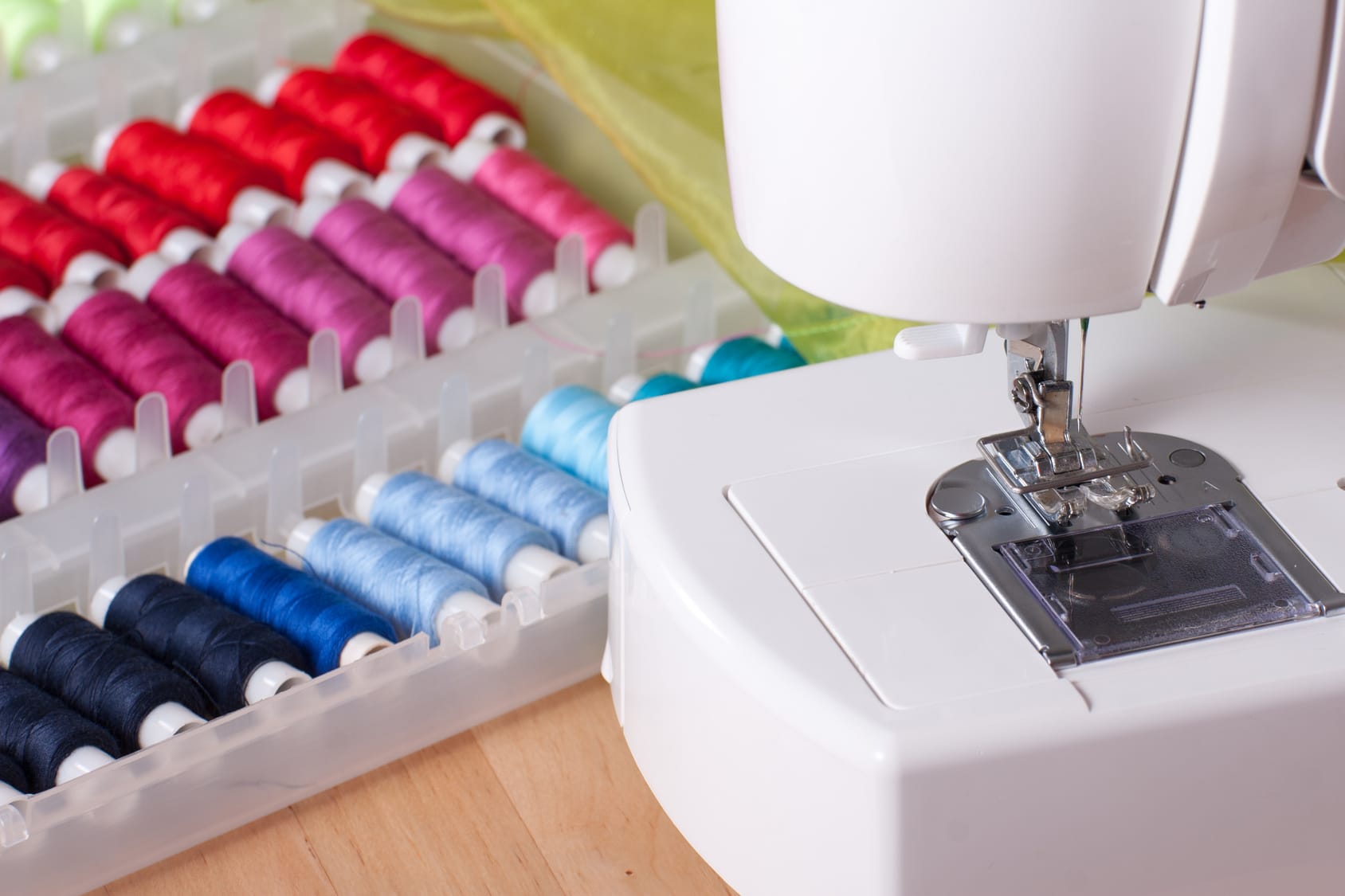
Here, in strict alphabetical order, seven of the terms most sought after by those approaching the overlocker.
Crochet: This term refers to the mechanical parts of the machine that are used to form the stitch. They are usually made of metal.
Needles: with this term we refer to the metal parts located on the pre-stitch foot and the needle plate. The needles are used to form the stitches; only when the stitch is complete does it move from the needle to the fabric and forms the overlock stitch.
Here are some other very commonly used terms that you will need first to buy one of the sizes and sewing patterns offered by Sewshop, Or even after the purchase, for those less experienced in the field.
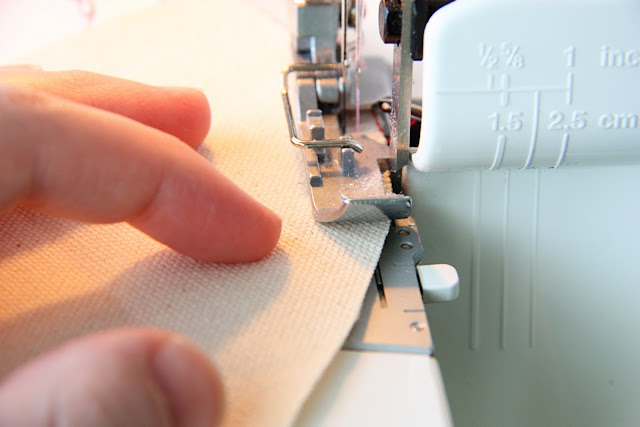
Point width: This term refers to the space that extends between the edge of the fabric being worked on and the needle thread. The point width varies depending on the type of machine chosen and is always indicated in millimeters.
Point length: a term very similar to the previous one; it simply indicates the space between one point and the next, or rather, between the hole made by the needle to create the point and the next hole. This is also measured in millimeters, usually from 1 to 4.
Rolled hem: it is a type of highly ornamental and definitely effective finishing applied to scarves, wedding dresses and other garments made of special fabrics such as silk or chiffon, with which the machine overlocker finishes the edge of the fabric with a rolled hem and dense stitches without the need to prepare the work; simply insert the fabric under the size and sew and finish the hem.
Thread tension The thread: on the machine you will find wheels, sliders or handles that are used to adjust thread tension the thread. They are usually located on the front part of overlocker the machine and their number varies depending on the machine. Their use is essential for the correct execution of the stitch as it thread tension varies depending on the point and the fabric used for the creation. Adjustment is one of the operations that must be performed to obtain regular and well-formed stitches. In the event that irregular stitches are found, the first step to take is to check the adjustment of this important element.
Differential transport: This function is present in more advanced models (it may therefore be absent from some basic models). It is a machine mechanism that allows for the curling of the fabric and prevents the risk of loose or, conversely, too tight points. Adjustment can be done either automatically or manually, depending on the model of the machine. In the case of manual adjustment, a specific table is usually available in the instruction manual.
These are the most commonly used terms to describe the parts and functions of the machine overlocker. Do you have any other questions? Feel free to ask or consult your machine manual, a very valuable ally for solving small and large problems!


