
No products in the cart.
Have you decided to buy an overlock machine and want to learn more? This guide explains what this tool does, what it's used for, and how to choose one.
65+
Years of experience alongside those who sew
The serger is also called a serger, a serger, or an overlock machine, depending on who writes. It is a type of sewing machine designed to perform more complex operations than the simple sewing machine.
However, it shouldn't be confused with a multifunctional machine: we're talking about a very different tool. The overlocker is especially popular for its ability to create a wide variety of hems and finishes. This way, you can go from the simplest project to entire garments, even at home and without having to call a professional.
In a single operation, it cuts the seam allowance, sews, and finishes the edge. The overlock stitch closes edges, even those of stretch fabrics and knits, and prevents them from fraying.
The biggest advantage is when starting and finishing your project. With a traditional sewing machine, you have to remove excess fabric or thread by hand. With an overlocker, this isn't necessary: the blades cut the excess fabric as you sew, making scissors almost superfluous.
In addition to this basic function, the overlocker has another notable feature: it can create decorations on all fabrics. The decorations can be created from points other than the simple hem. Above all, this machine makes it very easy to attach additional materials.
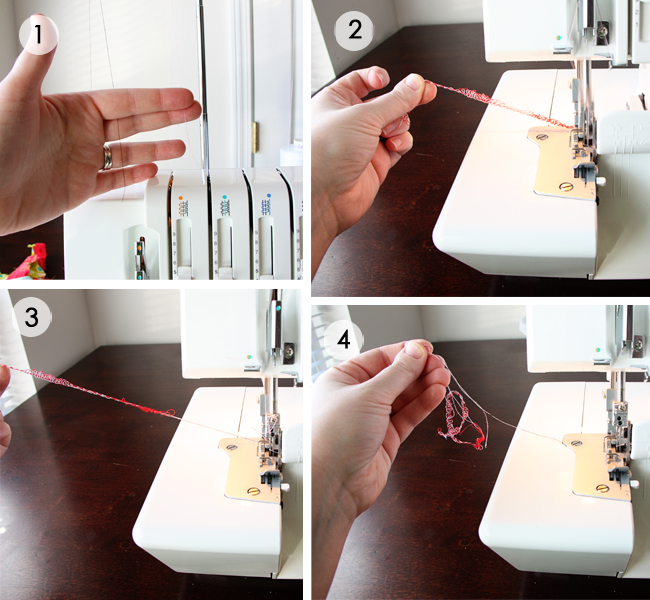
An overlocker can sew various types of hems and finishes; the Singer Heavy Duty HD0405S, for example, can sew a 4-thread safety stitch, a 3-thread overlock, a 3-thread or 2-thread rolled hem, a 3-thread satin stitch, and a 2-thread finish. The coverstitch, on the other hand, is only available on specific models. You'll need it when you want to sew a cover stitch, such as the hems of knitwear.
This question is obviously critical before purchase and each person can only answer it for themselves. Here are some reasons you might need to really evaluate this point.
With an overlocker, you work much cleaner. You don't have to constantly cut and finish the fabrics you use.
Some jobs require a sewing machine, as the overlocker can't handle them. Keep in mind that the overlocker isn't a replacement for the other machine: the two perform different tasks.
This aspect is especially important for space. Before purchasing, also carefully evaluate the dimensions of the overlocker.
Ideally, you should dedicate a room in your home, or at least a corner, to sewing. This advice also applies to just using the sewing machine: you can work in peace and avoid creating clutter in the rest of the home. However, using an overlocker alongside your sewing machine at least doubles the space required.
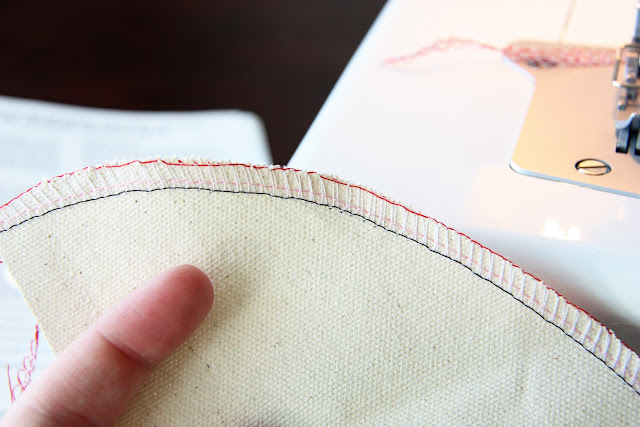
The coverstitch is used for covering finishes, such as the hems of knitwear. Please note: not all overlockers can do this; it's only available on specific models.
For home and hobby sewing, SewShop recommends 3- or 4-thread models. These models feature controlled speed, a free arm, and simplified threading. The free arm allows you to work on tubular parts: sleeves, cuffs, and trouser legs.
The difference lies in the differential feed, found in the more complete models. This device allows you to work with stretch fabrics, such as jersey, without waviness. Additionally, the stitch width is usually adjustable between 5 and 7 mm, making it suitable for different fabrics. In the catalog of overlockers recommended for beginners, you'll find models to evaluate based on these features.
Threading is the most daunting step for beginners. That's why it's best to choose a model that shows the thread paths, including the looper thread. Adjustments also matter: adjust the thread tension and stitch length to suit your needs; on the Pfaff Admire 1000, the presser foot pressure is adjustable for working with delicate or highly stretchy materials.
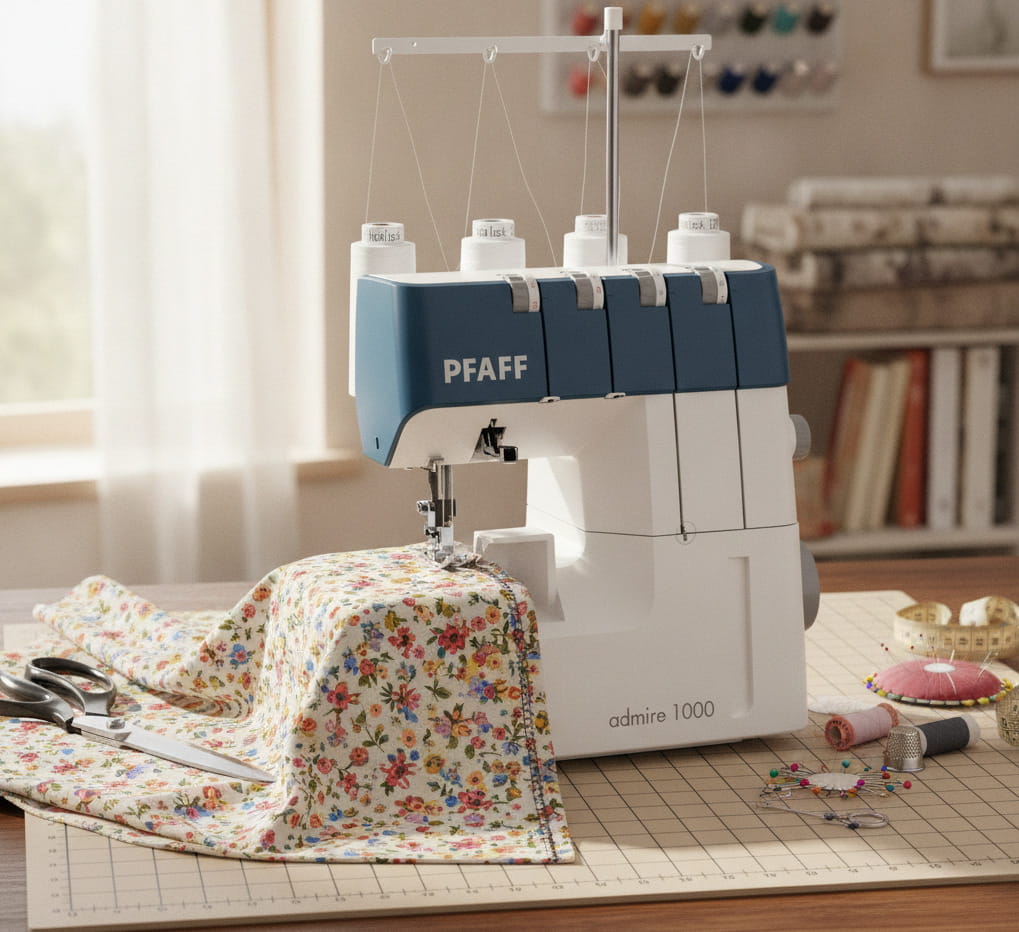
The Pfaff Admire 1000 sews with 2, 3, or 4 threads and offers 16 stitches. Both front covers open to access the loopers. The threading paths are color-coded, and the tensions have a lay-in function. SewShop also delivers it pre-threaded with 4 spools of thread, making it easier to use for the first time.
Differential feed prevents knits from warping and fine fabrics from puckering. It can also create creases or waves. The Pfaff Admire 1000 creates rolled and narrow hems on organza, lightweight cotton, and silk; with the 2-thread converter, it creates finishing touches and special hems on delicate fabrics.
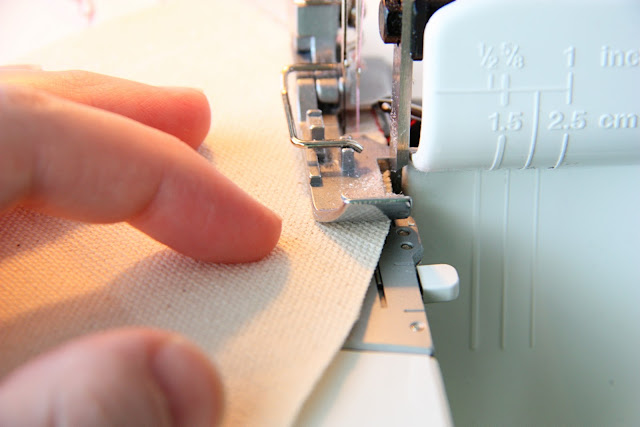
The presser foot pressure, thread tension, stitch length, and top edge cutting width are adjustable, and the maximum speed is rated at 1,200 stitches per minute. The upper knife disengages for special overlock techniques, and the adjustable seam guide keeps edges and seams straight.
Conveniences include LED lighting, a waste catcher, a built-in thread cutter for the thread chain, snap-on presser feet, and an accessory holder in the front cover.
The kit includes a 2-thread converter, brush, movable knife, needles, spool nets and discs, spool holder, electric foot pedal, and dust cover. The Pfaff Admire overlocker measures 32 × 38.5 × 37 cm and weighs 9 kg.
The Singer Heavy Duty HD0405S Overlocker sews with 2, 3, or 4 threads, with one or two needles, and offers 10 sewing programs. Its speed reaches 1,300 stitches per minute. The extra-rigid alloy chassis and powerful motor give it stability even on upholstery, workwear, and heavy materials.
The Singer also comes pre-threaded, so you can try it out straight out of the box. It comes with a 2-thread converter, spare lower knife, screwdriver, brush, tweezers, needles, and a scrap collector. In practice, with the converter, you can create 2-thread rolled hems on silk and chiffon, where a 3-thread stitch would be too heavy.
| Feature | Pfaff Admire 1000 | Singer Heavy Duty HD0405S |
| Threads | 2, 3, 4 | 2, 3, 4 |
| Stitches or programs | 16 points | 10 sewing programs |
| Maximum speed | 1200 ppm | 1,300 points per minute |
| Differential transport | Yes | Yes, adjustable |
| Threading | Color paths, lay-in tensions, delivered already threaded | Color paths, delivered already threaded and tested |
| 2-wire converter | Including | Including |
| Advantages | Fine adjustments, easy access to the loopers | Powered motor and larger blade for heavy fabrics |
The difference depends on the fabrics you work with most often. The Pfaff Admire 1000 is preferable when sewing mainly organza, silk, lightweight cotton, and knits, thanks to its pressure, tension, and cutting width adjustments.
The Singer Heavy Duty HD0405S, classified by SewShop for semi-professional sewing, is instead suitable if you alternate light fabrics with upholstery, work clothes and heavy materials.
Once you've considered these points, you'll be ready to decide whether or not to purchase an overlocker. If you have any doubts, contact online sales customer service: they'll be able to resolve them. SewShop tests its products before shipping and offers a 24-month to 5-year warranty.
It involves cutting the fabric edge, sewing it, and finishing the edge in a single operation. The serger's blades eliminate excess fabric, while the overlock stitch closes the edge, preventing fraying. Particularly suitable for knits and stretch fabrics.
No. Some jobs require a traditional sewing machine and an overlocker can't handle them: the two machines perform different tasks. For this reason, SewShop recommends considering the size of your overlocker, as storing both requires more space.
For home and hobby use, a 3- or 4-thread model with controlled speed, free arm, and simplified threading is best. Differential feed is useful if you frequently work with jersey and stretch fabrics. Both the Pfaff Admire 1000 and the Singer Heavy Duty HD0405S come pre-threaded, with color-coded thread paths to make learning easier.


