
No products in the cart.
All objects are subject to wear and tear, even particularly high-tech machines. That is why it is necessary to know how to prevent damage and fix it. In a series of blogs you can find ways to repair the most common problems with your Singer sewing machines, both vintage and modern ones.
[tb-dynamic-container provider=” source=” field=” removeDeadLinkTarget=”true”]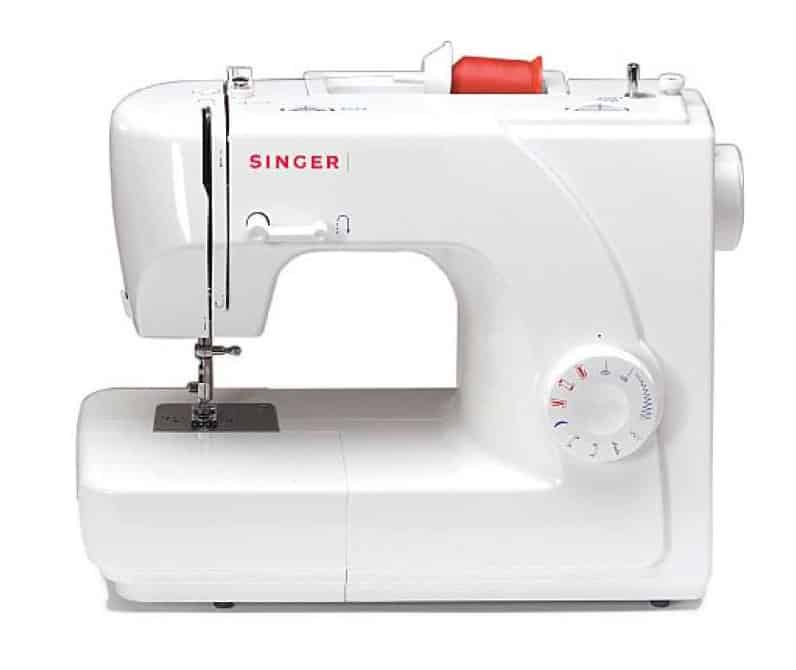
It is known that nothing is forever. There is no such thing that sooner or later does not give signs of some defect. But there is nothing to worry about. As an ancient Chinese proverb says: if to a problem there is a solution, why worry; if there is no solution, why worry?
Even tools of unquestionable technical precision and resilience are subject to wear and tear and therefore, beyond due maintenance, need to be repaired. One thing of paramount importance should be emphasized, however: watch where you put your hands! Repairing does not mean definitively breaking an object!
Particularly when it comes to objects of extraordinary beauty and perfection such as the Singer sewing machines (those who are lovers of the field like me know what I am talking about) one must act carefully and inform oneself well on how to detect the fault and, secondarily, be able to take action to solve it.
In case you have at your disposal one of those beautiful pieces of industry and fashion history (yes! allow me the term) like the old Singer models, then it will be a case of carefully viewing industry blogs, like this one here, where professionals explain the workings of these technical gems and offrono free tutorials on how to perform certain operations, such as spool removal or advice on which tools are best to use.
For those, on the other hand, who are in possession of newer equipment, unless you are the victim of who knows what mysterious bad luck, you will usually be able to solve even the most common problems yourself (patience permitting). Of all the cases, the most vulnerable parts are those that vulgarly do the dirty work, and so it is usually problems with needles, files, voltages, or the coils. In this case just don't panic. Then again, if you love to sew, it means that attention to detail and calmness are certainly not lacking in you!
One of the really most comprehensive blogs that aronta in an intuitive way and also through clear and direct videos the problem of how to solve these problems is Sew What's New, of course also in this case you should know English, but don't worry, you can try to solve it by watching the videos directly! All in all this is a very interesting blog, because in addition to solving your problems, you can also find simple methods to prevent them.
[tb-dynamic-container provider=” source=” field=” removeDeadLinkTarget=”true”]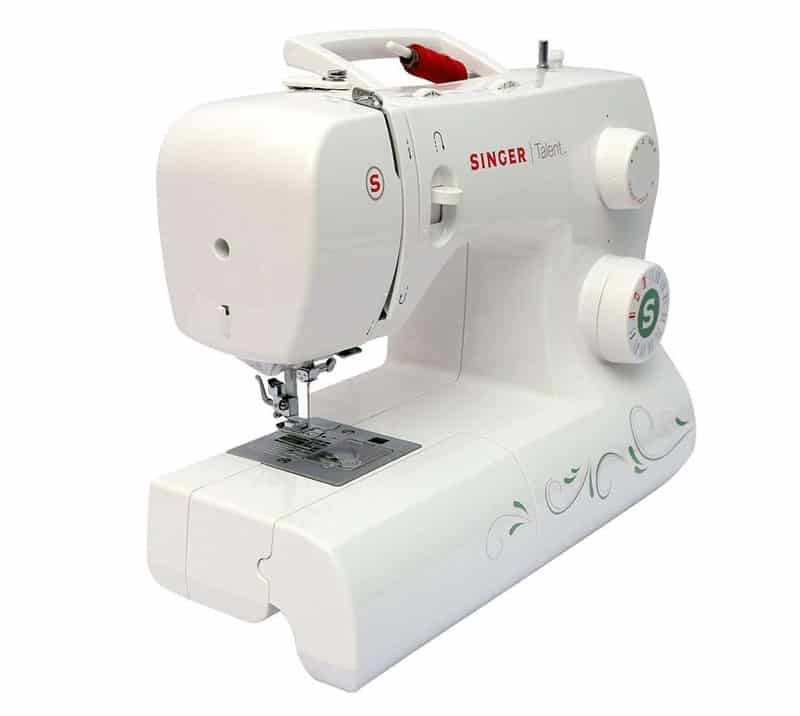
If, on the other hand, the one is irretrievably broken or it is not convenient to repair it and you want to approfit the opportunity to buy a new one, I advise you not to make a aretted choice but to follow some advice on how to juggle the various models of Singer sewing machines. The important thing is that you don't throw your old one away! A Singer in the living room always makes an elegant figure!
Infine, all you will have to do is look for the right offerta. In this case I recommend one of the leading e-commerce in the field, where I also bought it, viz. Sewshop, where you can find a rich assortment of mechanical Singers.


