
No products in the cart.
In the field of tailoring, there seems to be a clash between the two most important representatives, namely the sewing machine and the overlock. But is this really the case?
But how true is it that in the tailoring industry the two biggies, namely the sewing machine and the cut and sew, are they in competition?
Essentially, there is no opposition, as both are fundamental and, at the same time, complementary devices.
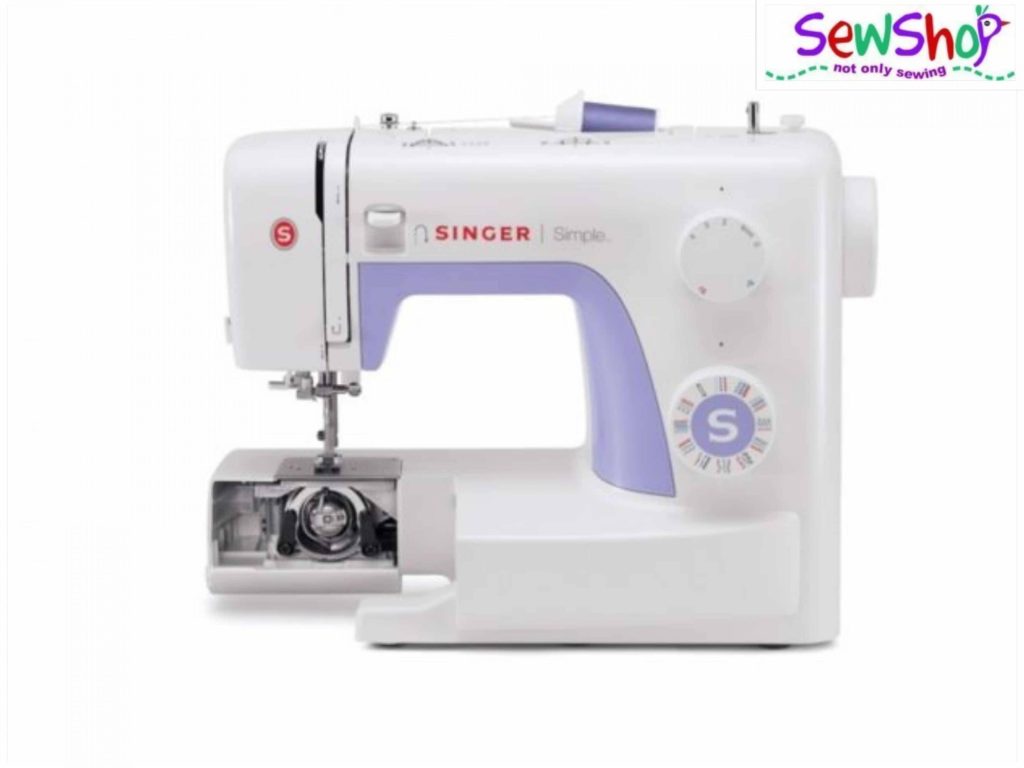
Not surprisingly, those who like to make garments, over time, find the economic resources to provide for the purchase of both a Singer sewing machine and be an equally outstanding cut and sew. Moreover, it should be considered that both are solid, durable products that, following proper maintenance, are bound to last for years and years.
Even so, they have some differences. Let us briefly see how they differ.
One of the first differences that you notice is precisely that related to the functionality of a cut and sew. This, consequently, determines a particular influence on its cost. In fact, compared with a Singer sewing machine, the average cutter and sewing machine costs more. Therefore, when making an overall assessment of your intended purchase, you should remember that being more complex, the cutter and sewer is more expensive than the traditional sewing machine.
Another aspect that differentiates the cut-and-sew from the traditional sewing machine, is that it will allow one to be able to better optimize the time required for a realization. In fact, being more complete, it improves the results, as well as the time, since it allows for work and actions to be carried out, such as, for example, cutting and finishing the fabric by preventing it from fraying, things that a traditional sewing machine does not allow to be able to accomplish.
In considering the differences between a cut-and-sew and a classic sewing machine, it certainly cannot escape the fact that a slitter and sewing machine is equipped with differential transport. Among the advantages provided by differential fabric transport is the fact that this particular feature will prevent the fabric from curling or forming unsightly ripples during sewing.
Thus, it makes sure and manner that this cannot go to wrinkle, since, thanks to the presence of differential transport in the cut and sew, you will never have on the fabrics any kind of wrinkle. Another real added value of the cut and sew, is the possibility of working with a greater number of threads, which allows for, among other things, the flatlock or flat seam and thus decorations that will be able to embellish any type of workmanship as well as the wardrobe.
In conclusion, it seems more evident than ever that in the world of sewing, it is crucial to be able to rely as much on a size sew as much as on a sewing machine, precisely so that you can create as much as you want and work as well as possible on even the most stubborn and difficult fabrics.


